
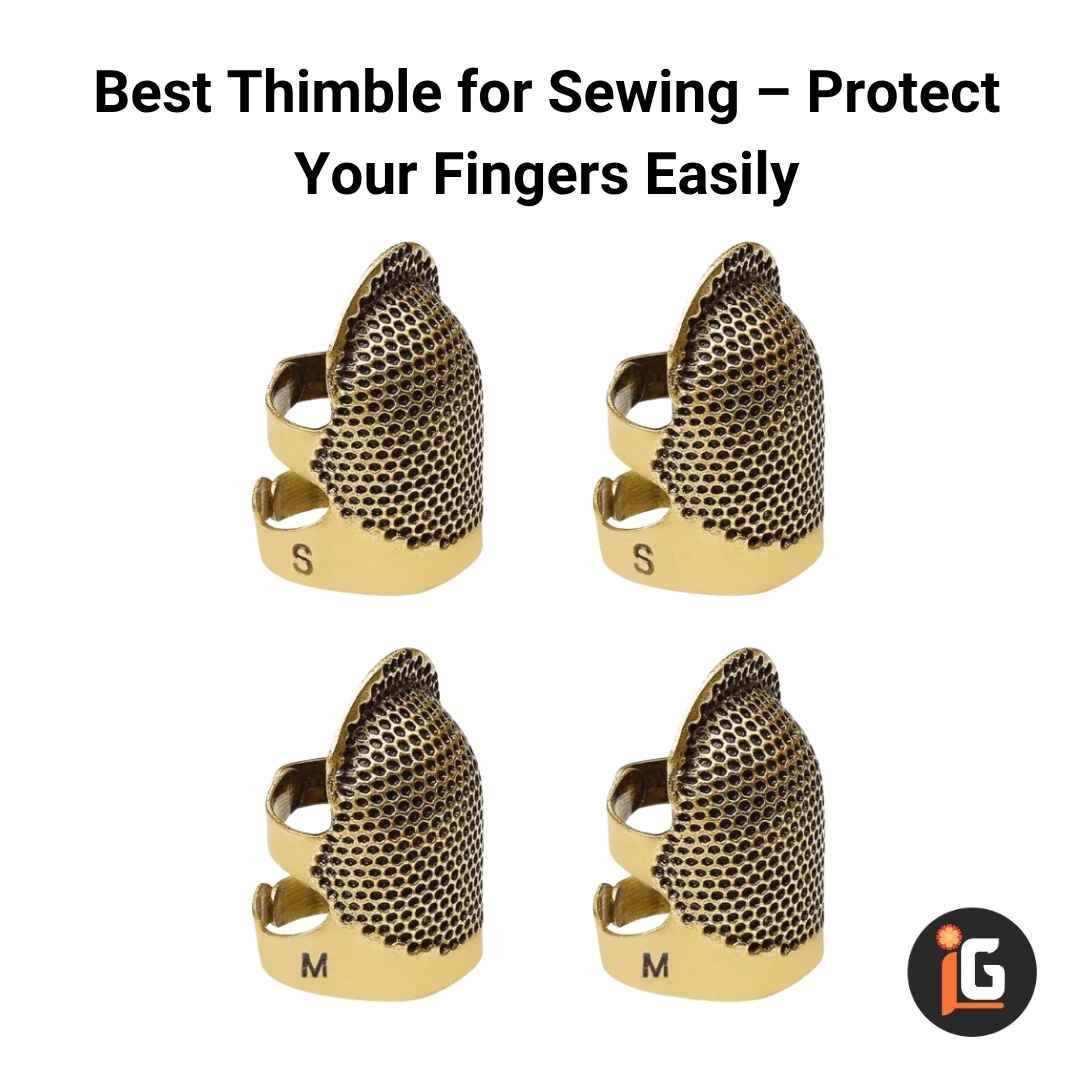
Thimble for Sewing
Hand sewing can be relaxing and rewarding, but pushing needles through thick fabrics often causes sore or injured fingers. A Thimble for Sewing is a simple yet essential tool that protects your fingertip while giving you better control over every stitch. Whether you’re repairing clothes, quilting, embroidering, or working on DIY crafts, a quality thimble makes sewing safer and more comfortable.
A Sewing Thimble Finger Protector helps reduce finger strain while improving stitching accuracy. If you enjoy practical DIY accessories, browse our collection of Amazing Tools for more helpful products.
Quick Overview
A Thimble for Sewing is a protective cap worn on the finger to help push sewing needles through fabric without causing pain or punctures. Modern thimbles are available in metal, silicone, plastic, and leather designs, with many featuring textured surfaces for improved grip.
Table of Contents
ToggleWhether you’re a beginner or an experienced tailor, using a sewing thimble can make long sewing sessions more comfortable while protecting your fingers from repeated needle pressure.
Key Features
Durable Metal Construction
Many Protector Metal for Sewing models are made from stainless steel or alloy materials for long-lasting durability.
Non-Slip Surface
The textured exterior helps prevent the needle from slipping while applying pressure.
Comfortable Fit
Non-Slip Comfortable Thimbles for Hand Sewing are designed to fit securely without restricting finger movement.
Finger Protection
The reinforced design shields your fingertip from accidental needle pricks and pressure.
Lightweight Design
A sewing thimble adds protection without making your finger feel heavy or uncomfortable.
Suitable for Various Sewing Projects
Ideal for hand sewing, quilting, embroidery, leather work, clothing repairs, and craft projects.
Benefits
Protects Your Fingers
The primary purpose of a sewing thimble is to reduce pain and prevent needle injuries while sewing.
Improves Sewing Control
A textured surface helps guide the needle more accurately through thick materials.
Reduces Hand Fatigue
Long sewing sessions become more comfortable because less pressure is applied directly to your fingertip.
Suitable for Beginners and Professionals
Whether you’re learning basic stitching or working on advanced embroidery, a thimble improves comfort and confidence.
Long-Lasting Tool
A quality metal sewing thimble can last for years with proper care.
For more useful DIY products that simplify everyday tasks, visit our Life Hacks collection.
Pros & Cons
Pros
- Protects fingers from needle injuries
- Improves sewing precision
- Comfortable for extended use
- Durable metal construction
- Non-slip textured surface
- Lightweight and portable
- Suitable for quilting and embroidery
- Affordable sewing accessory
Cons
- Requires selecting the correct size
- May feel unusual for first-time users
- Not all models are adjustable
- Some metal versions may feel warm in hot weather
Real-Life Use Case
Imagine repairing a pair of jeans with thick denim fabric. Without protection, pushing the needle through multiple layers quickly becomes painful.
By wearing a Thimble for Sewing, you can apply greater pressure comfortably, allowing the needle to pass through heavy fabric without hurting your finger. The same protection is equally valuable for quilting, embroidery, dressmaking, and handmade craft projects.
Its compact size means you can keep one in every sewing kit for daily repairs or creative hobbies.
You can also explore more practical products in our Life Basics collection.
Buying Guide
Choosing the right Thimble for Sewing ensures maximum comfort and protection.
Material
Metal thimbles provide excellent durability, while silicone and leather options offer greater flexibility.
Size
A properly fitting thimble should stay securely on your finger without feeling tight.
Surface Texture
Textured dimples improve grip and help prevent the needle from slipping.
Weight
Lightweight designs provide comfort during long sewing sessions.
Finger Compatibility
Some thimbles are designed specifically for the middle finger, while others fit multiple fingers.
Intended Use
Choose heavy-duty metal thimbles for thick fabrics and softer materials for light sewing projects.
Comparison
| Feature | Sewing Without Thimble | Thimble for Sewing |
|---|---|---|
| Finger Protection | Poor | Excellent |
| Needle Control | Moderate | Excellent |
| Comfort | Moderate | High |
| Long Sewing Sessions | Difficult | Comfortable |
| Thick Fabric Handling | Difficult | Easy |
| Risk of Needle Injury | High | Low |
For anyone who sews regularly, a quality thimble offers significantly better comfort and protection.
Frequently Asked Questions
1. What is a sewing thimble used for?
It protects your finger while pushing needles through fabric during hand sewing.
2. Can beginners use a thimble?
Yes. It helps beginners sew more comfortably while reducing accidental needle injuries.
3. Which finger should wear the thimble?
Most people wear it on the middle finger of their dominant hand, but it depends on personal sewing style.
4. Is a metal thimble better than silicone?
Metal offers greater durability and needle control, while silicone provides a softer, more flexible fit.
5. Is it suitable for quilting?
Absolutely. Quilters commonly use thimbles when working with multiple fabric layers.
Final Verdict
A Thimble for Sewing may be a small accessory, but it makes a noticeable difference in comfort, safety, and stitching accuracy. Whether you’re repairing clothing, quilting, embroidering, or creating handmade crafts, this simple finger protector helps prevent soreness and needle injuries while improving overall sewing control.
The Non-Slip Comfortable Thimbles for Hand Sewing are suitable for beginners, hobbyists, and experienced sewers alike. Durable, affordable, and easy to carry, they’re a valuable addition to any sewing kit.
For more practical tools and everyday accessories, browse our collection of Home Gadgets and discover smart solutions for DIY projects.